 EN
EN ES
ES
Mistakes When Buying Nylon Cable Ties

We’ve all been there. You neatly bundle some cables, cinch the tie tight, and feel a sense of accomplishment. A few months later, you reach behind the equipment, and a cloud of brittle plastic fragments rains down. Or worse, a critical bundle in your industrial panel has sagged, creating a potential snag hazard.
Choosing the right fasteners for bundling seems straightforward. It’s often an afterthought—a small item on a large purchase order. But this oversight leads to wasted time, safety risks, and repeated maintenance. Based on common field failures and user reports, here are the critical errors people make when stocking up on these essential organizing tools.
Mistake #1: Ignoring the Actual Material Composition
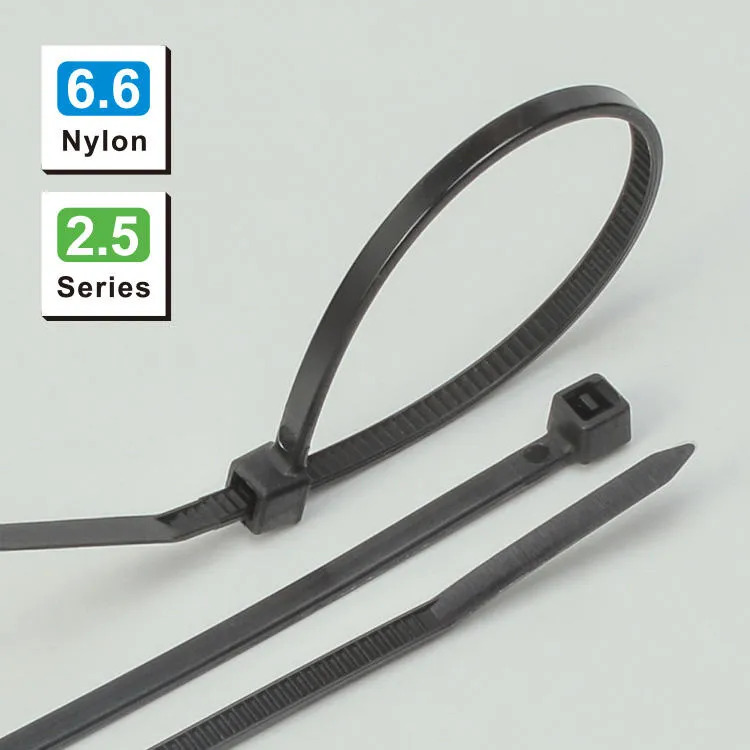
Most people assume all plastic ties are the same. They see "nylon" on the package and think the job is done. However, the specific type of nylon and its additives determine how the fastener will perform in real-world conditions. Standard grades are excellent for indoor, room-temperature applications. But what happens when you use them near a heat source or on a sun-exposed rooftop?
The result is often rapid degradation. Heat accelerates oxidation, while UV rays break down the polymer chains. That black tie you installed on an outdoor antenna? It might have been intended for interior use only, lacking the carbon black additive that provides UV resistance. A tie that fails in this environment can lead to loose wiring or valuable equipment falling.
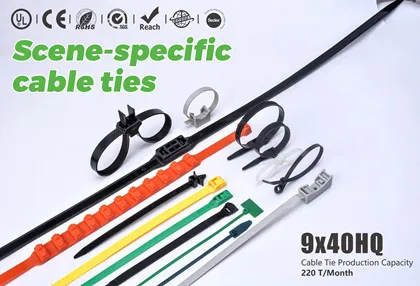
To avoid this, you need to match the material to the environment. Look for ties specifically stabilized for outdoor use, often rated with UV resistance. For areas with chemical exposure (like under a car hood or near cleaning supplies), special formulations are required. If you need to secure a bundle in a fluctuating thermal environment, you can learn about material specifications designed for those exact conditions.
Mistake #2: Getting the Length and Tensile Strength Wrong
This is a two-part error. First, length. A tie that is too short forces you to struggle, often damaging the locking mechanism as you force it to close around a bundle that’s too large. Conversely, a tie that is excessively long leaves a sharp, wasteful tail that can be a hazard to hands or nearby wiring.
Second, and more critically, is tensile strength. People often rely on the "feel" of the tie—if it feels strong, they assume it is. But the rating (typically measured in pounds or newtons) is the real test.
-
For light tasks (holding a few network cables in a rack), a low-strength tie works.
-
For heavy bundles (large power cables or hoses), a low-strength tie will stretch and loosen over time, creating a loose loop that loses its holding power.
According to industry standards (like UL 62275), the tensile strength must be matched to the bundle diameter and weight. A common mistake is using a tie rated for 18 lbs on a bundle that exerts 40 lbs of outward pressure. The result is not just a loose bundle, but a potential safety violation.
Mistake #3: Overlooking the Locking Mechanism and Reusability
There is a common belief: "Once it clicks, it’s done." But different designs offer different advantages. The standard locking pawl works fine for most permanent indoor installations. However, if you are in a prototyping environment or a maintenance-heavy industry, you may want a releasable style.
Standard ties must be cut off, which means re-cabling requires a new tie and leaves sharp edges. Releasable ties allow you to open and reuse the same fastener, reducing waste.
Another overlooked issue is the locking tab’s material. Some low-quality products have a brittle tab that snaps easily when you apply just a bit too much tension. A high-quality tie will have a smooth, consistent ratcheting sound. A rough or skipping sound indicates poor mold quality, leading to premature failure.
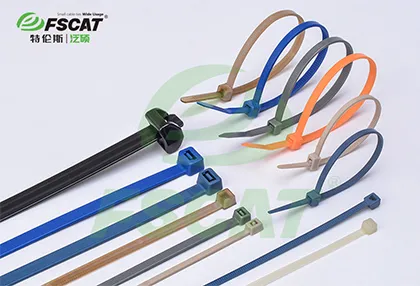
Here is a quick comparison of what to check before purchasing:
| Feature | Check For | Common Failure |
|---|---|---|
| Locking Mechanism | Smooth ratcheting, consistent tension | Slipping or cracking under load |
| Material Flexibility | Bends without whitening (stress marks) | Turns brittle, shows white stress lines |
| Edge Finish | Smooth, rounded edges | Sharp flashing that cuts hands or wires |
To understand how different locking mechanisms impact your workflow, you can explore detailed product designs that match your installation frequency.
How to Make a Reliable Choice
Now that we’ve identified the pitfalls, how do you ensure success? The process is simpler than you think. Start by answering three questions about your application:
-
Where? (Indoor/Outdoor? Hot/Cold? Wet/Dry?)
-
What? (Weight and diameter of the bundle?)
-
How often? (Permanent or frequently adjusted?)
Once you have these answers, look for a supplier that provides clear technical data, not just marketing terms. A reliable product will list its material grade (like PA66), temperature range (e.g., -40°C to 85°C), and UV resistance rating.
The Value of a Trusted Source
While many generic options flood the market, the cost of failure—downtime, rework, and potential damage—far outweighs the penny saved per tie. For consistent quality, look for a manufacturer that controls its production process and provides batch traceability.
Brands like Fscat focus on providing these technical details upfront, allowing you to select the exact product for your environment rather than guessing. You don’t need to over-specify; you just need the right spec.
Finally, remember to store your ties properly. Keep them in a cool, dry place away from direct sunlight until use. Even the best UV-resistant tie will degrade if stored for years on a hot loading dock.
If you are tired of re-doing the same bundles or cleaning up plastic dust, take a moment to review your purchasing criteria. For a selection of options designed for both industrial longevity and everyday reliability, you can see what Fscat offers for your next project.After all, the best fastener is the one you install and then forget about—because it simply works.