 EN
EN ES
ES
Nylon Cable Ties for Solar Panel Wiring
A solar farm in Arizona reported loose wiring across three entire rows just 14 months after installation. The culprit? Standard indoor-grade fasteners that turned brittle under relentless desert sun. The repair cost: over $7,000 in labor alone.
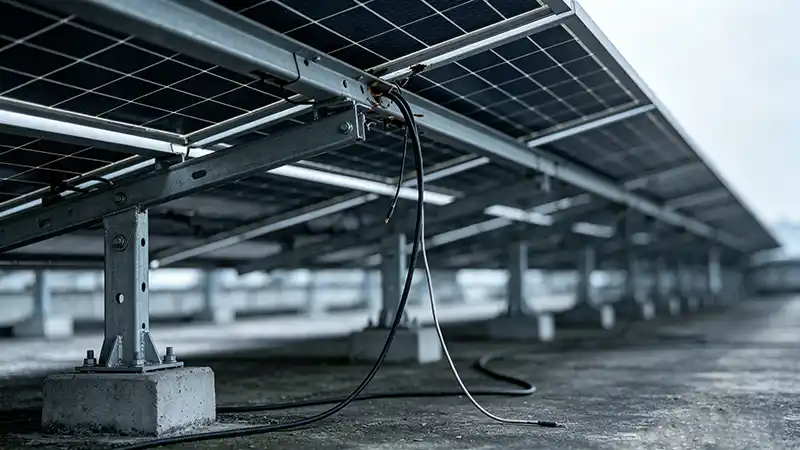
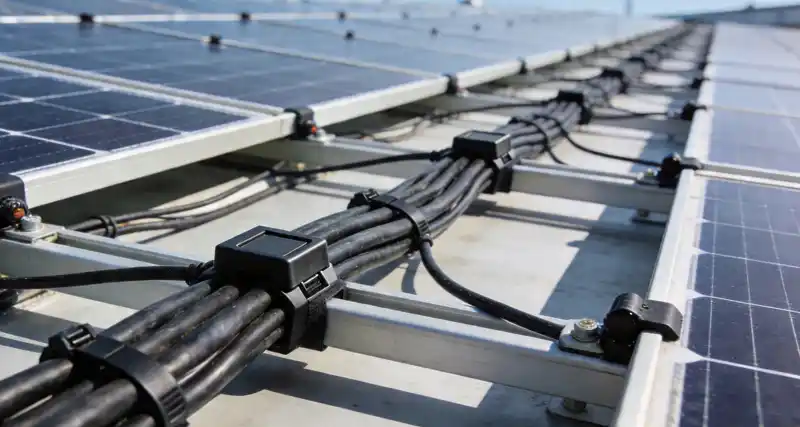
That story repeats itself on rooftops and ground-mount systems worldwide. Solar wiring isn't ordinary cabling. It lives outdoors, faces extreme temperature swings, and carries DC that demands secure, lasting organization.
If you're planning or maintaining a photovoltaic (PV) system, the little plastic straps holding your wires together matter more than most people realize.
Why Solar Wiring Demands Special Attention
Unlike office network cables tucked safely inside walls, solar wiring faces a brutal environment:
-
Continuous UV exposure – Sunlight breaks down standard polymers within months
-
Temperature extremes – Rooftop surface temps can reach 70°C (158°F) or drop below -20°C
-
Moisture and humidity – Rain, condensation, and morning dew accelerate material degradation
-
Wind-induced vibration – Panels and cables constantly move, stressing every attachment point
A 2022 study of residential solar failures found that improperly secured wiring accounted for nearly 18% of service callbacks. Loose cables rub against racking edges, chafe through insulation, and pose arc-fault risks.
Critical Features for Outdoor PV Fasteners
Not every bunding solution works on a roof. Here's what to look for:
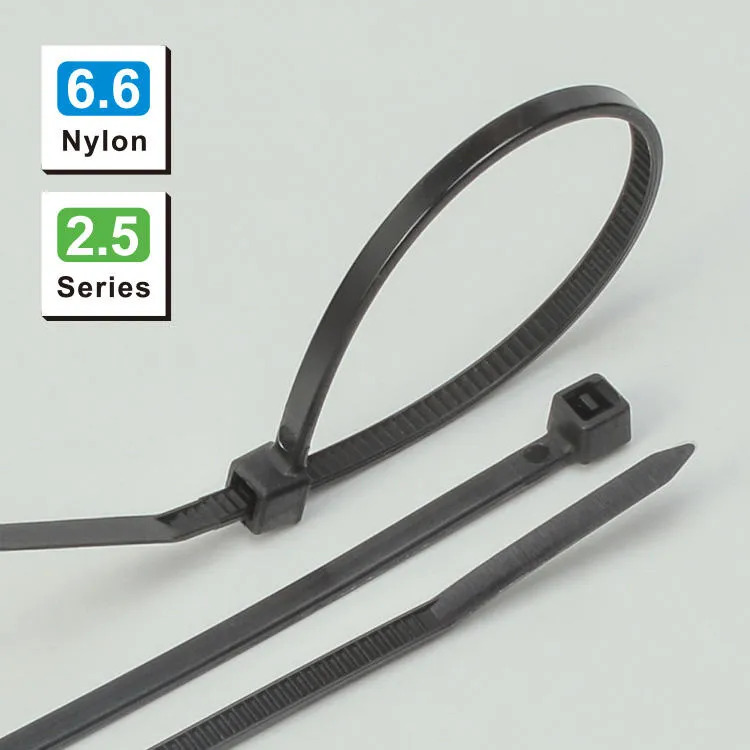
- UV Stabilization – The most essential feature. UV-degraded plastic turns chalky, cracks under finger pressure, and fails without warning. Black ties with carbon black or specialized inhibitors resist sunlight far better than colored alternatives. Clear or white ties typically lack UV protection entirely.
- Temperature Range – Standard indoor fasteners operate between -40°C and 85°C. That seems fine until you measure a dark rooftop on a summer afternoon—surface temperatures often exceed 90°C. Heat-stabilized grades maintain tensile strength up to 110°C continuous.
- Moisture Resistance – Nylon 6/6 absorbs humidity, which actually improves flexibility. But repeated wet-dry cycles can leach plasticizers. Look for materials with good hydrolysis resistance for long-term outdoor use.
One Texas installer switched to UV-stabilized, heat-stabilized fasteners after replacing failed ties every 18 months. Three years later, the original bundles still held firm.
Matching Tensile Strength to Solar Applications
Tensile requirements vary by location within a PV system:
| Solar Area | Typical Load | Recommended Tensile | Width |
|---|---|---|---|
| Panel-to-panel jumpers | Light | 40-50 lbs | 3.6mm |
| String combiner box | Moderate | 50-80 lbs | 4.8mm |
| Main trunk lines | Heavy | 80-120 lbs | 7.6mm |
| Inverter wiring | Heavy + vibration | 120+ lbs | 9.0mm |
| Grounding conductor bundling | Critical | 50-80 lbs (metal insert) | 4.8mm |
Load estimates based on typical residential and commercial PV installations
Undersizing tensile strength leads to gradual loosening as cables shift and settle. Oversizing wastes material and makes installation difficult in tight spaces.
For detailed tensile data across different widths and material grades, access the PV-specific selection guide with application-matched recommendations.
Installation Best Practices for Solar Arrays
Even the best fasteners fail when installed incorrectly. Follow these field-proven guidelines:
- Leave room for thermal expansion – Cables heat up under load and cool at night. Cinching ties too tightly restricts natural movement and stresses the insulation. Leave enough slack for a finger to slide between the bundle and the tie.
- Position the locking head thoughtfully – Place the head where it won't rub against racking edges or panel frames. A 90-degree rotation often prevents abrasion.
- Use appropriate spacing – Support cables every 24-36 inches (600-900mm) on horizontal runs. Vertical drops need support every 36-48 inches, depending on cable weight.
- Double-tie heavy bundles – For main trunk lines carrying multiple strings, install two fasteners 2 inches apart. Redundancy protects against single-point failure.
A California solar contractor reported that implementing these practices reduced warranty callbacks by 40% across 200+ installations.
Common Mistakes on Solar Sites
Even experienced electricians make these errors:
Using indoor ties outdoors – The most frequent and costly mistake. Indoor ties lack UV protection and fail within 12-18 months. Always verify UV stabilization on the package.
Over-tensioning with tools – Pneumatic tensioners set too high can damage DC cable insulation. Set tools to 70-80% of maximum for solar wiring.
Mixing metal and plastic on grounded surfaces – Stainless steel ties on grounded racking can create galvanic corrosion points. Use all-plastic or coated metal only.
Forgetting about removability – Solar systems get modified. Permanent ties mean cutting and replacing every time. Releasable or hook-and-loop options save future headaches.
One maintenance supervisor told me, "We used to cut hundreds of ties during panel replacements. Switching to releasable fasteners cut our retrofit time by 60%."
Regulatory and Safety Considerations
Solar installations fall under multiple codes that affect fastener selection:
-
NEC 690.31 – Requires cable support methods suitable for the environment
-
UL 62275 – Standard for cable ties used in electrical equipment
-
NEC 300.4 – Protection against physical damage where cables pass over edges
Some AHJs (Authority Having Jurisdiction) require specific UV ratings or fire resistance for rooftop installations. Always check local amendments before purchasing.
For a complete overview of compliance requirements for PV fastening, review the technical documentation library covering UL, REACH, and RoHS standards.
Long-Term Inspection and Replacement
Even premium outdoor fasteners don't last forever. Establish an inspection schedule:
| Year | Action |
|---|---|
| 1 | Visual inspection for looseness or chafing |
| 3 | Hand-test random ties for brittleness |
| 5 | Consider proactive replacement of heavily exposed ties |
| 8-10 | Full re-bundling recommended |
Signs of degradation: whitish surface powder, cracking when bent, loss of tension, or visible gaps between tie and bundle.
A community solar project in Colorado extended its maintenance interval from 2 to 5 years simply by upgrading from standard to UV-stabilized, heat-stabilized fasteners at the start. The upfront premium paid for itself within the first extended service cycle.
Final Recommendations
For reliable solar wiring management:
-
Roof-mounted residential → UV-stabilized, 4.8mm width, 50-80 lb tensile, black only
-
Ground-mount commercial → UV + heat stabilized, 7.6mm width, 80-120 lb tensile
-
High-wind areas → Double ties or wide-body (9mm) for main trunks
-
Retrofit or temporary → Releasable or hook-and-loop options
The small upfront investment in proper outdoor fasteners prevents costly service calls, reduces fire risks, and keeps solar arrays generating at full capacity.
If you're sourcing fasteners for a solar project and want verified UV ratings, heat stabilization, and batch test data, explore the solar-grade options from Fscat. The brand specializes in application-matched solutions with published compliance documentation—so you can install with confidence, not guesswork.