 EN
EN ES
ES
How to Choose Nylon Cable Ties?
You're standing in front of a wall of fasteners. Rows of different colors, lengths, and thicknesses stare back at you. Your project needs something reliable—but where do you even start?
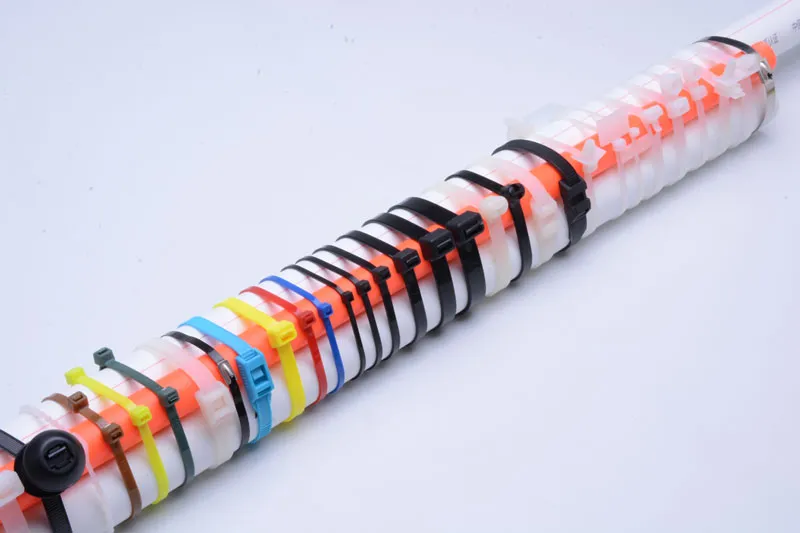
A maintenance manager once told me: "I used to grab whatever was cheapest. Then a bundle came loose inside a control panel, caused a short, and cost us three hours of downtime." That one incident changed how he thinks about selection.
Choosing the right bundling solution isn't complicated. But skipping the basics leads to loose harnesses, snapped straps, and callbacks. Let's break down what actually matters.
What Makes a Fastener Reliable?
Before diving into sizes or colors, understand the three pillars of reliability: material quality, mechanical strength, and environmental compatibility. Miss any one, and performance suffers.
Most people focus only on length or width. That's like buying a car based solely on color. The real differentiators happen beneath the surface—how the plastic is formulated, how the locking mechanism is designed, and what standards the product meets.
According to a 2023 analysis of industrial returns, nearly 40% of rejected fasteners failed due to substandard material blends rather than user error. Recycled nylon, insufficient UV stabilizers, or incorrect moisture conditioning all contribute to premature failure.
Step 1: Match Length and Bundle Diameter
The first practical decision is simple: measure what you're bundling.
-
For a loose bundle of 10 Ethernet cables (about 20mm diameter), a 150mm length works well.
-
For a thick hydraulic hose bundle (50mm+ diameter), step up to 300mm or longer.
A common rule: the tie should wrap around the bundle with at least 30-40mm of tail left for gripping. Too short, and you can't tension properly. Too long, and you create waste and a messy look.
If you frequently handle varying bundle sizes, consider keeping multiple lengths in stock. One telecom installer reduced wasted ties by 25% simply by carrying 150mm, 200mm, and 300mm options instead of using 300mm for everything.
Step 2: Select the Right Width for Tensile Needs
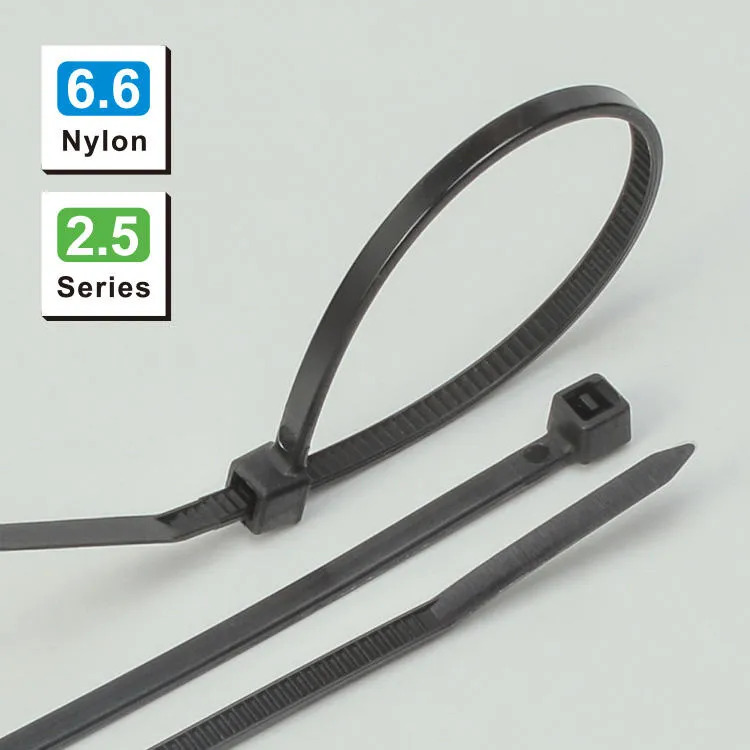
Width directly affects breaking strength. Narrower straps (2.5mm–3.6mm) flex easily and suit light data cabling. Wider ones (4.8mm–9mm) handle heavy industrial bundles.
| Width | Typical Tensile Range | Best For |
|---|---|---|
| 2.5mm | 18–30 lbs | Computer internals, small sensors |
| 3.6mm | 30–50 lbs | Office IT racks, home theater |
| 4.8mm | 50–80 lbs | Industrial panels, automotive harnesses |
| 7.6mm | 80–120 lbs | Outdoor telecom, solar installations |
| 9.0mm | 120+ lbs | Heavy machinery, seismic bracing |
Data compiled from industry standard tensile testing (ASTM D638 methodology)
Need a more detailed breakdown of tensile ratings across different widths? Explore technical specifications and test methods for verified performance data.
Step 3: Understand Material Grades
Not all plastic fasteners are the same. The most common material is Nylon 6/6, valued for its balance of strength, flexibility, and cost. But within that category, variations exist:
-
Standard Nylon 6/6 – Indoor use, moderate temperatures (-40°C to 85°C)
-
UV-stabilized – Added carbon black or other inhibitors for sunlight resistance
-
Heat-stabilized – Formulated for continuous exposure up to 110°C
-
Flame-retardant – UL 94V-2 rated for electronics and appliances
One automotive supplier learned this the hard way. They used standard indoor ties in an engine bay. Six months later, heat cycling made every strap brittle. Switching to heat-stabilized grade eliminated failures entirely.
Step 4: Consider Environmental Exposure
Where will the bundle live? Answer these three questions:
-
Sunlight? UV degrades standard nylon within 12-18 months outdoors. Always choose UV-stabilized black ties for exterior use.
-
Chemicals? Oils, fuels, and solvents attack some plastics. For harsh environments, consider stainless steel or coated ties.
-
Temperature extremes? Below -20°C, standard nylon becomes less flexible. Above 85°C, tensile strength drops. Specialized grades extend these ranges.
A marine electrical contractor reported that switching to UV-stabilized fasteners reduced replacement frequency from every 8 months to over 3 years on exterior cable trays. The upfront cost was 20% higher, but labor savings paid for itself in one season.
Step 5: Check Certification and Testing
Don't trust label claims. Look for third-party verification:
-
UL 62275 – Standard for cable management devices (North America)
-
IEC 62275 – International standard for cable ties
-
REACH/RoHS – Compliance for restricted substances
-
Batch test reports – Actual data from production lots
Reputable suppliers provide these documents on request. If a vendor hesitates or says "it's all the same," that's a red flag.
When you need consistent, traceable quality for critical installations, review the compliance documentation available from Fscat before purchasing.
Common Selection Mistakes to Avoid
Even experienced buyers make these errors:
-
Choosing by price alone – The cheapest ties often use recycled material. A $0.01 tie that fails costs far more than a $0.03 tie that lasts.
-
Ignoring installation tools – Hand-tensioning varies wildly. For consistent results, use a pneumatic or manual tensioning tool with cutoff.
-
Mixing brands in one bundle – Different coefficients of thermal expansion can loosen over time. Stick to one product line per application.
-
Forgetting about removability – Need to swap cables later? Use releasable or hook-and-loop options instead of permanent ties.
One data center manager told me: "We used to cut and retie bundles every time we swapped servers. Switching to releasable ties saved us 15 minutes per rack, per maintenance cycle." That adds up fast across hundreds of racks.
Final Recommendations
Here's a quick decision flow:
-
Indoor, dry, normal temps, light bundles → Standard 3.6mm width, 150mm length, indoor-grade
-
Outdoor, sunlight, moderate load → UV-stabilized 4.8mm width, black only
-
High vibration, heavy cables → Wide body (7.6mm+), heat-stabilized, use tensioning tool
-
Plenum or electronics → Flame-retardant rated (UL 94V-2)
Still unsure? Start by testing a small sample of your actual bundle. Apply the tie, tension it, and see if it holds firm. Then try to break it—knowing the real limit prevents surprises later.
If you want reliable fasteners with published test data and clear grade labeling, see the selection options from Fscat. The brand focuses on verifiable performance, so you choose with confidence—not guesswork.
What's your biggest frustration when buying cable management products? Drop a comment below—real feedback helps everyone make smarter choices.