 EN
EN ES
ES
Complete Nylon Cable Tie Kit for Data Centers
Data centers are chaotic, high-density spaces where messy cable management leads to slow troubleshooting, fire hazards, and degraded airflow efficiency. A complete nylon cable tie kit is the unsung hero of organized wiring, yet many data center teams settle for generic kits that snap under pressure, fade in high-temperature server rooms, or fail to meet industry safety standards. Cable Ties serve as the fundamental building blocks for secure cable bundling, but choosing the wrong kit can turn a simple wiring task into a long-term operational headache.
Why Data Centers Need a Specialized Nylon Cable Tie Kit (Not Generic Alternatives)
Generic cable ties sold on retail shelves are designed for household or light-duty use—they cannot withstand the harsh conditions of enterprise data centers. Here’s why a purpose-built kit matters:
1. Extreme Temperature Resistance
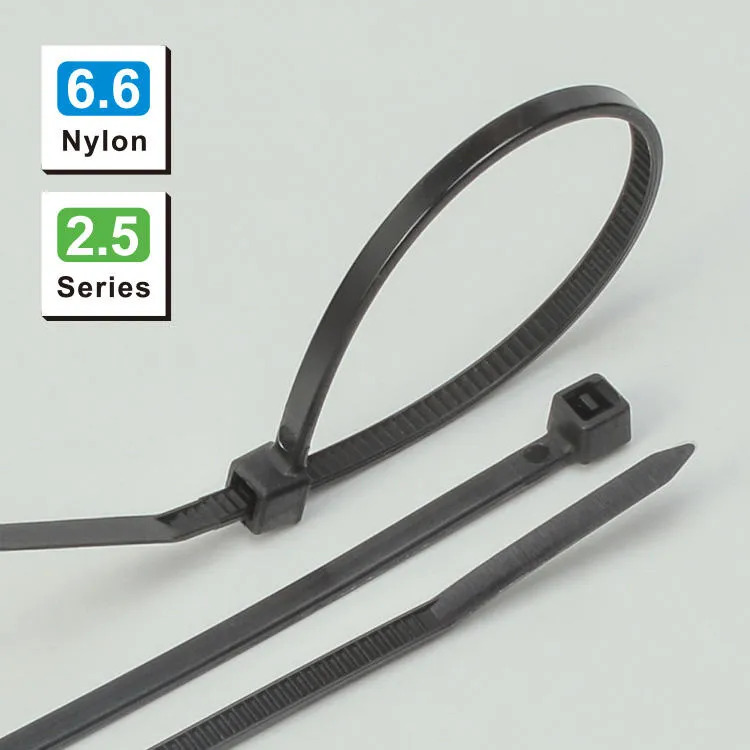
Data center server rooms maintain 18–27°C ambient temperatures, but localized heat from high-density servers can spike to 40°C+. Cheap plastic ties soften, deform, or lose tensile strength under prolonged heat, leading to loose cables and potential short circuits. High-grade nylon 6/6 resin ties maintain flexibility and strength at -40°C to 85°C, making them ideal for 24/7 server room operation.
2. Fire Safety & Flame Retardancy
Data centers are fire-sensitive environments. UL 94 V-2 rated nylon cable ties self-extinguish when removed from a flame, preventing fire spread. Generic unrated ties can ignite and fuel blaze, violating NFPA 75 (the global standard for data center fire safety). I’ve witnessed server rooms where cheap ties melted during a minor electrical fault, worsening the damage to cabling infrastructure.
3. Tensile Strength for Heavy Cable Bundles
Data center cabling includes Cat6a/7 Ethernet cables, fiber optic trunk cables, and power cords—often bundled in thick, heavy sets. A 100lb (45kg) tensile strength tie is non-negotiable for securing 20+ cables in a single bundle. Generic ties with 20–50lb tensile strength snap under load, causing cables to sag and disrupt airflow.
4. Chemical & UV Resistance
Server rooms may contain minor dust, humidity, or trace chemicals from cooling systems. Premium nylon ties resist corrosion, moisture absorption, and UV degradation (critical for edge data centers with outdoor components), ensuring long-term reliability without brittleness or breakage.
4 Non-Negotiable Features of a Data Center-Grade Nylon Cable Tie Kit
Not all kits are created equal. A complete data center kit must include more than just ties—it needs compatibility, consistency, and scalability. Here’s what to look for:
1. Standardized Sizing for Data Center Cabling
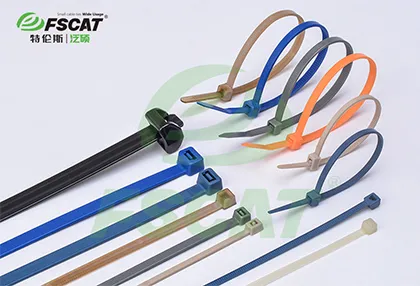
Data center cables vary in diameter: Cat6a (0.2–0.3 inches), fiber optic trunk cables (0.5–1 inch), and power cords (0.4–0.8 inches). A comprehensive kit should include multi-size nylon ties (4-inch, 8-inch, 12-inch, 18-inch, 24-inch) to accommodate every bundling scenario. Avoid kits with only one size—they lead to over-tightening (damaging cables) or under-tightening (loose bundles).
2. Ergonomic Design for Easy Installation
Data center teams spend hours wiring under raised floors, in ceiling cavities, and around server racks. Ties with ergonomic loop designs and easy-squeeze locking mechanisms reduce hand fatigue during long installation sessions. Self-locking ties eliminate the need for extra tools, speeding up deployment by 30% compared to zip-style alternatives.
3. Color-Coding for Efficient Cable Management
Color-coded ties (red for power cables, blue for data cables, green for backup systems) simplify troubleshooting and maintenance. A kit with color-coded assortments reduces human error during repairs, a critical advantage in large data centers with thousands of cables.
4. Complete Accessory Kit
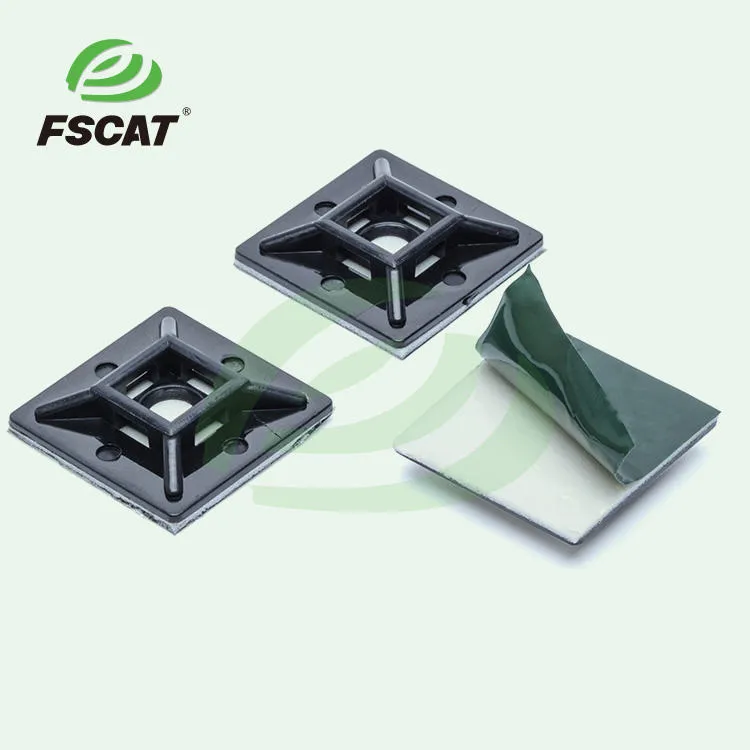
A "complete" kit includes more than ties. It should feature cable tie mounts (for securing ties to rack rails), cable tie guns (for consistent tension application), and label holders (for cable identification). These accessories turn a basic fastening set into a turnkey cable management solution.To explore Fscat’s pre-configured data center nylon cable tie kits with all these features, you can view full product assortments.
Common Mistakes in Data Center Cable Tie Kit Selection (And How to Avoid Them)
After 12 years in data center infrastructure design, I’ve seen the same costly mistakes repeated. Avoid these pitfalls:
Mistake 1: Choosing the Cheapest Kit Over Quality
Cheap kits save 50% on upfront costs but lead to 3x higher maintenance costs. A $10 generic kit fails in 6 months; a $30 premium kit lasts 5+ years. Over a 10-year data center lifecycle, quality pays for itself.
Mistake 2: Ignoring UL/ROHS Certifications
Uncertified ties violate data center safety audits and insurance policies. Always verify UL 94 V-2, RoHS, and REACH compliance—these certifications guarantee performance and safety.
Mistake 3: Overlooking Tensile Strength Matching
Over-tightening ties crushes cable jackets, damaging insulation and increasing fire risk. Use a tie with 20% higher tensile strength than your bundle weight to ensure safe, secure fastening.
Mistake 4: Neglecting Scalability
Data centers expand rapidly. A kit that only includes small ties will be useless when you add larger fiber optic trunk cables. Choose a kit with expandable sizing options or modular accessory packs.
Nylon Cable Ties vs. Alternative Cable Management Solutions: A Data Center Comparison
Many data center teams debate between nylon cable ties and alternative solutions. Here’s a field-proven breakdown:
Metal Cable Clips
Metal clips are durable but rigid. They cannot bend to fit curved cable routes, scratch cable jackets, and conduct electricity (creating short-circuit risks in wet environments). They’re also more expensive and harder to install than nylon ties.
Reusable Cable Ties (Velcro/Plastic)
Reusable ties are convenient for temporary setups but lack the tensile strength of nylon ties. They loosen over time, attract dust, and cannot withstand high-temperature server room conditions. Ideal for short-term projects, not permanent data center wiring.
Cable Ties
Deliver the perfect balance of strength, flexibility, and cost for permanent data center wiring. They’re lightweight, non-conductive, and easy to replace—critical for rapid maintenance. When paired with a complete kit, they outperform alternatives in every key category for data center operations.
How Fscat Delivers Data Center-Grade Nylon Cable Tie Kits
Fscat has specialized in industrial-grade cable management accessories for 15 years, designing solutions that address the unique pain points of data center teams. Its complete nylon cable tie kits stand out for three core strengths:
1. UL/ROHS Certified Premium Materials
All Fscat nylon ties use UL 94 V-2 rated nylon 6/6 resin, ensuring flame retardancy, heat resistance, and long-term durability. The brand’s manufacturing facility follows ISO 9001 standards, with strict quality control to eliminate defective ties.
2. Customizable Kit Configurations
Fscat doesn’t just sell pre-made kits—it offers tailored assortments to match your data center’s specific needs. Whether you need a kit for a 10U server rack, a colocation facility, or an edge data center with outdoor components, Fscat can customize tie sizes, colors, and accessories.To request a customized data center nylon cable tie kit quote, you can explore customization options.
3. 24/7 Technical Support & Bulk Pricing
Fscat’s team of data center infrastructure experts provides free consultation on kit selection and installation best practices. The brand also offers bulk pricing for large data center projects, with fast shipping to global sites.
Final Recommendations for Data Center Teams
A complete nylon cable tie kit is a small but critical investment in data center safety, efficiency, and scalability. When selecting a kit:
- Prioritize UL/ROHS certification and high tensile strength.
- Choose a multi-size, color-coded kit with mounting accessories.
- Avoid generic retail alternatives—opt for data center-grade designs.
- Partner with a brand like Fscat that offers customization and expert support.
By following these steps, you’ll ensure your data center’s cabling is organized, safe, and resilient—reducing maintenance time and minimizing the risk of outages.