 EN
EN ES
ES
What Is Tensile Strength in Nylon Cable Ties?
You’ve just finished a complex wiring harness, cinched every bundle tight, and walked away. Three days later, a technician sends you a photo: snapped ties scattered on the floor, cables loose, and a production delay on your hands. Sound familiar?
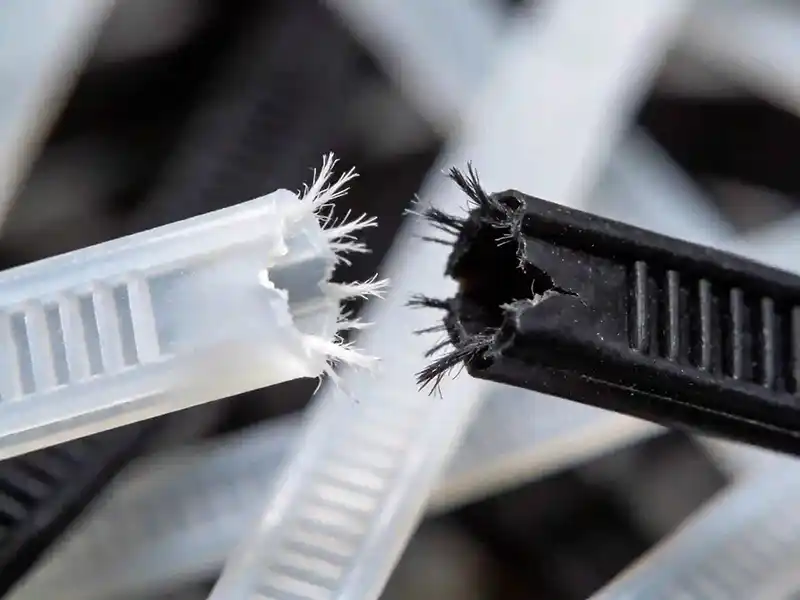
This scenario plays out daily in workshops, data centers, and assembly lines. The culprit is almost always a misunderstanding of one critical property: tensile strength. Without grasping this concept, even the best-looking fasteners can fail when you need them most.
Why Do Cable Ties Fail Under Load?
Most people assume a thicker tie equals a stronger hold. That’s partially true, but thickness alone doesn’t tell the full story. Tensile strength—the maximum pulling force a material can withstand before breaking—is the real measure of reliability. When a tie is tensioned around a bundle, the locking mechanism and the strap itself experience opposing forces. Exceed its tensile limit, and the material stretches, deforms, or snaps.
A common misconception is that “heavy-duty” labeling guarantees performance. In reality, two ties with identical dimensions can have vastly different tensile ratings due to material quality, manufacturing consistency, and design of the locking barb.
Understanding Tensile Strength: The Key to Reliability
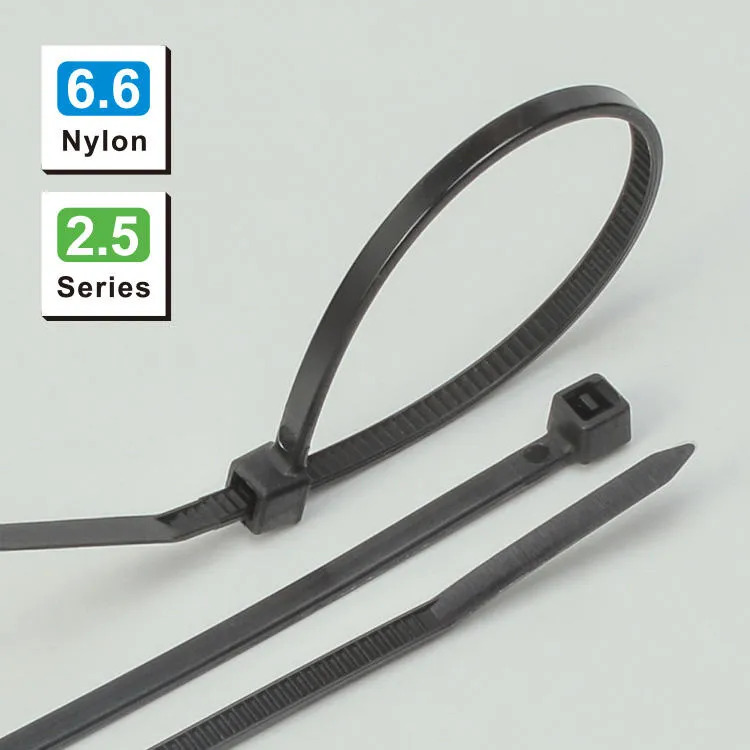
Tensile strength is expressed in pounds (lbs) or newtons (N). For cable ties, it refers to the maximum tension applied lengthwise before the strap ruptures. Think of it as the tie’s “breaking point” during installation or under load. A higher number means more resistance to snapping when you pull the free end through the lock.
However, tensile strength is not the same as loop tensile strength (the force required to break a looped tie around a bundle). The latter is often lower and more relevant for actual use. Reputable manufacturers test both values.
If you’re selecting fasteners for vibration-prone environments (e.g., automotive wiring or HVAC systems), you need ties with a tensile rating at least 20% above your estimated load. Safety margins prevent gradual fatigue and sudden breakage.
Where to find reliable data? Many suppliers publish tensile charts. For a detailed breakdown of tested values across different widths and materials, view product specifications from verified testing (open the technical datasheet section).
Factors That Affect Tensile Strength
Not all ties are created equal. Three variables dominate performance:
-
Material formulation – Pure nylon 6/6 offers excellent strength, but recycled or over-dried nylon becomes brittle. UV-stabilized grades trade slight tensile reduction for outdoor durability.
-
Locking mechanism design – Stainless steel barbs grip differently than all-nylon barbs. Steel adds strength but can damage soft wire insulation.
-
Molding quality – Inconsistent cooling or flash at the tooth edges creates stress risers. Premium brands use automated vision inspection to reject subpar units.
A 2022 survey of industrial maintenance teams found that 63% of premature tie failures traced back to either counterfeit goods (using inferior nylon) or improper storage that degraded material properties. Humidity and temperature swings matter—nylon absorbs moisture and changes its mechanical behavior.
How Tensile Strength Is Tested
To ensure objectivity, third-party labs follow standards like ASTM D638 (tensile properties of plastics) or IEC 62275 for cable management devices. A typical test involves:
-
Mounting a straight tie in a universal testing machine
-
Applying a constantly increasing pull at 10 mm/min
-
Recording the peak force at break
-
Testing at least 10 samples for statistical validity
Reputable manufacturers provide batch test certificates. If a supplier cannot show you a test report, assume the rated tensile strength is optimistic.
For critical applications (overhead cable trays or safety-restraint systems), always request lot-specific test data. Mass-produced ties can vary between production runs. One leading automotive parts maker recently avoided a recall by switching to a vendor that offered per-lot tensile verification.
When you need consistent, verifiable performance, check how batch testing is documented for high-reliability environments.
Choosing the Right Tensile Rating for Your Application
Here’s a practical guide based on real-world use cases:
| Application | Recommended Tensile Strength (lbs) | Typical Width |
|---|---|---|
| Light office cable management | 18 – 30 | 2.5 mm |
| Home theater/IT rack bundling | 40 – 50 | 3.6 mm |
| Industrial control panels | 50 – 80 | 4.8 mm |
| Outdoor telecom enclosures | 80 – 120 | 7.6 mm (UV grade) |
| Heavy machinery (vibration) | 120+ | 9.0 mm or stainless steel insert |
Note: Values assume proper installation without overtightening. Exceeding 75% of rated tensile during tensioning accelerates creep and failure.
The 80/20 rule – 80% of everyday bundling jobs are satisfied by 40–50 lb ties. The remaining 20% (outdoor, high-vibration, sub-zero temps) require special attention to tensile + material additives.
Common Mistakes That Weaken Cable Tie Performance
Even a high-tensile tie fails if mishandled. Avoid these errors:
-
Over-tensioning – Pulling past the click or using pliers introduces micro-cracks. Use a tensioning tool with adjustable cutoff.
-
Sharp edges on bundles – Burrs on conduit or cable shields cut into the tie. Use edge protectors or spiral wrap first.
-
Mixing old and new ties – Aged nylon loses 10-20% tensile strength per year in non-climate-controlled storage. Discard opened packages after 12 months.
-
Ignoring temperature ratings – Nylon 6/6 retains strength from -40°C to 85°C. Above that, tensile drops rapidly. For engine compartments, consider heat-stabilized grades.
One electrical contractor reported a 70% reduction in callback repairs after switching to batch-tested ties and training crews on tensioning tools. The upfront cost was 15% higher, but the warranty claims dropped by half.
Final Thoughts
Tensile strength isn’t just a number on a package—it’s the difference between a bundle that stays secure and a mess waiting to happen. By understanding how it’s measured, what weakens it, and how to match ratings to your environment, you eliminate guesswork.
If you’re looking for cable fasteners with published, traceable tensile data and consistent molding quality, explore the high-strength options from Fscat. The brand focuses on verifiable performance for industrial and commercial users—no inflated claims, just reliable numbers.
Have you ever experienced a cable tie failure that could have been avoided? Share your story in the comments below—real-world lessons help everyone choose smarter.