 EN
EN ES
ES
how to cut heavy duty zip ties?
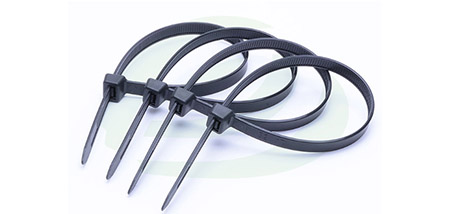
You can effectively cut heavy-duty cable ties using tools such as bolt cutters, hacksaws, and utility knives (for smaller heavy-duty cable ties). Here are several methods to cut heavy - duty zip ties:
Using Bolt Cutters
-
Safety Precautions:
-
Wear safety glasses to protect your eyes from any flying debris. Zip ties, especially heavy - duty ones, can break and send small pieces flying when cut.
-
-
Positioning:
-
Place the zip tie in the jaws of the bolt cutters. Make sure the cutting edge of the bolt cutters is aligned with the narrow part of the zip tie (usually the locking mechanism side).
-
-
Cutting:
-
Squeeze the handles of the bolt cutters firmly and steadily. The sharp blades of the bolt cutters will cut through the tough plastic of the heavy - duty zip tie. The force required may vary depending on the thickness and material of the zip tie.
-
Using a Hacksaw
-
Safety Precautions:
-
Use gloves to protect your hands from the rough edges of the saw blade and the zip tie. As with bolt cutters, safety glasses are also recommended to prevent debris from getting into your eyes.
-
-
Positioning:
-
Hold the zip tie firmly in a vise or with a pair of pliers if it's small enough. This will keep it steady while you cut. Place the hacksaw blade on the part of the zip tie you want to cut.
-
-
Cutting:
-
Use a slow and steady back - and - forth motion to cut through the zip tie. Hacksaws work well for thicker zip ties that might be too tough for some other cutting tools. However, this method can be more time - consuming than using bolt cutters.
-
Using a Utility Knife (for Smaller Heavy - Duty Zip Ties)
-
Safety Precautions:
-
A sharp utility knife can cause serious cuts, so be extremely careful. Use a cutting mat or a piece of scrap wood underneath the zip tie to protect the work surface and also to provide a stable base.
-
-
Positioning:
-
Place the zip tie on the cutting mat or wood. Hold the zip tie firmly with one hand and the utility knife in the other.
-
-
Cutting:
-
Apply steady pressure with the utility knife and carefully score the zip tie multiple times until it breaks. This method is more suitable for thinner heavy - duty zip ties and requires more patience compared to the other methods.
-