 EN
EN ES
ES

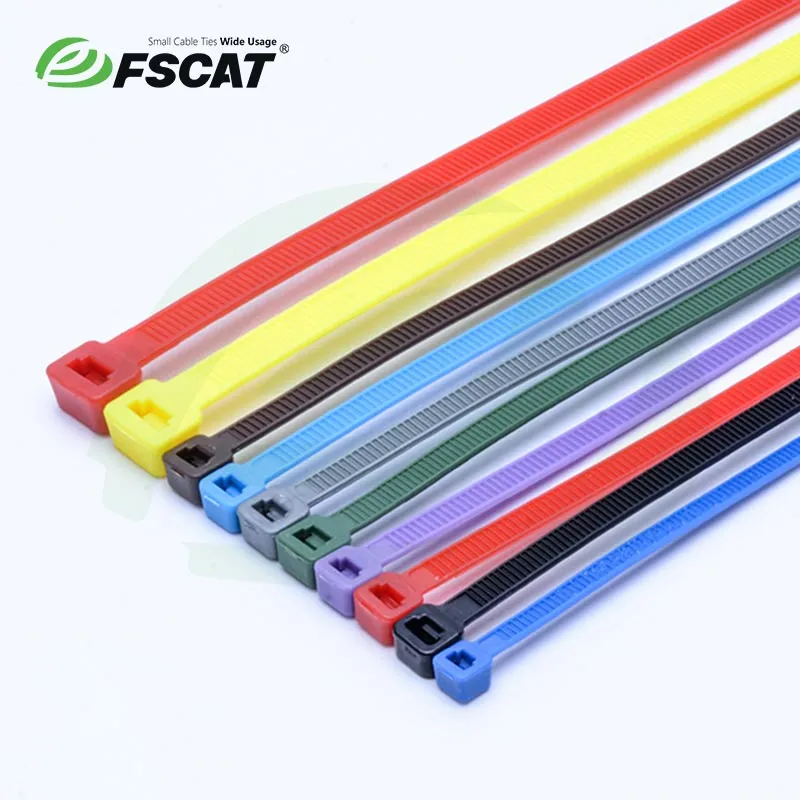


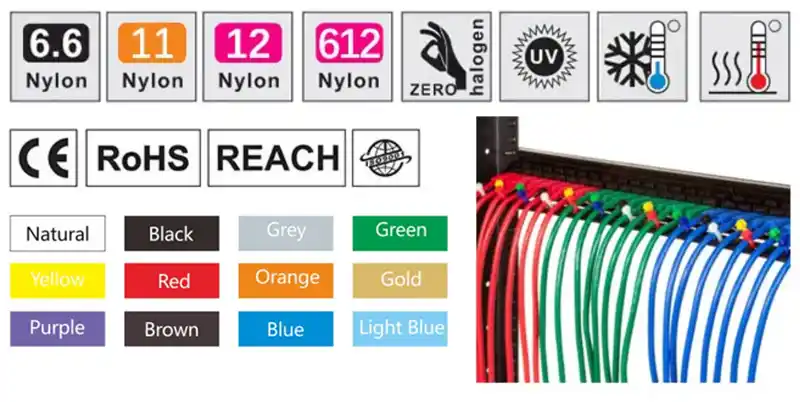
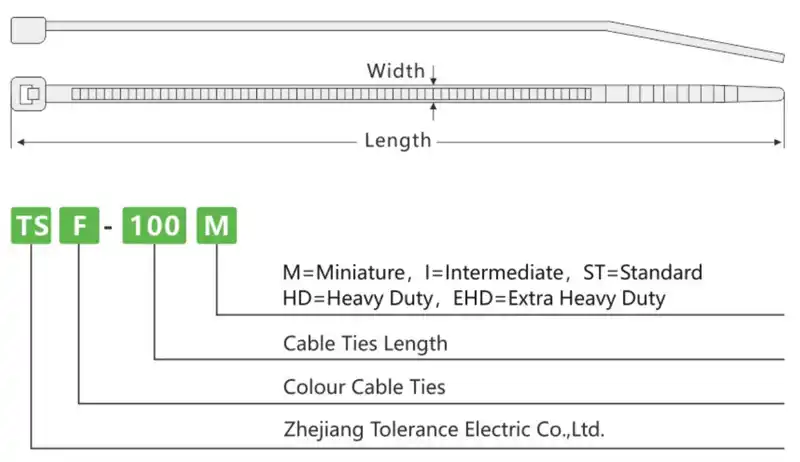
 TSF-100M
 TSF-200M
 100/250 pcs/bags
PACKAGING
Our products have multiple packaging options and provide design support.
-
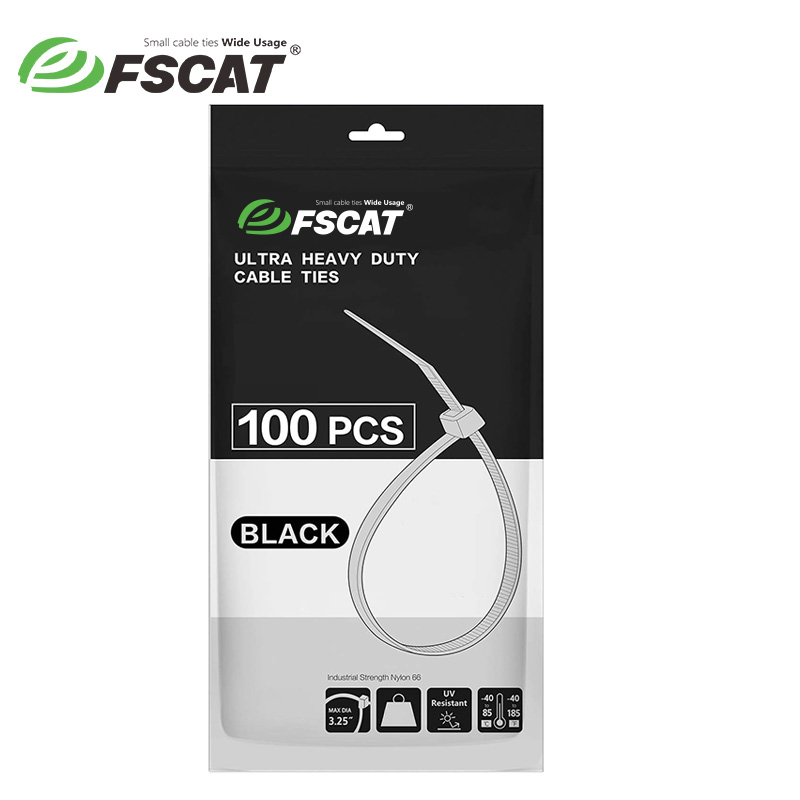
All-inclusive OPP/PP bag
-
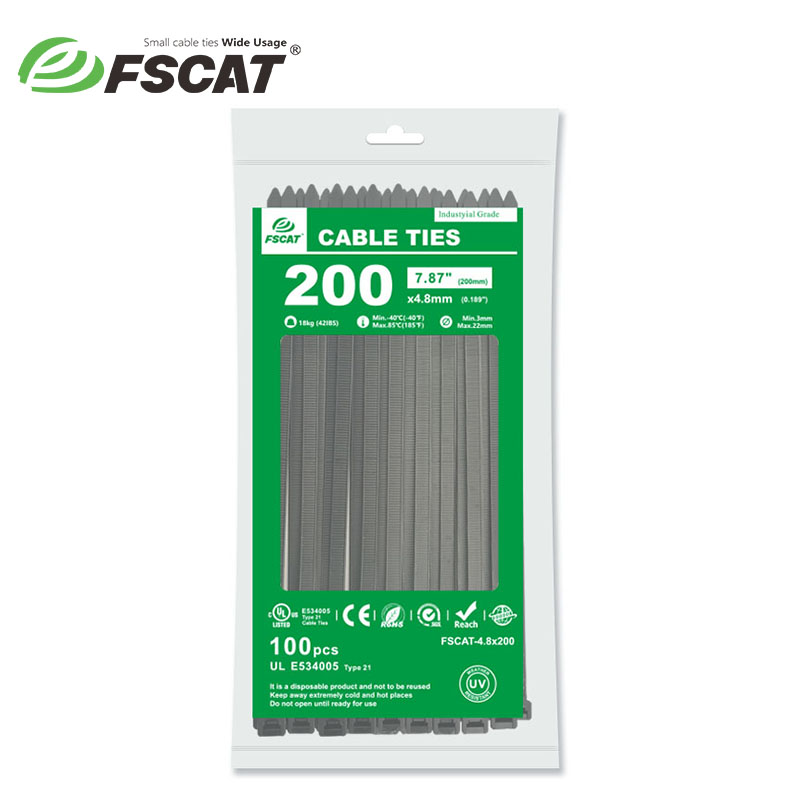
Hollow OPP/PE bag
-
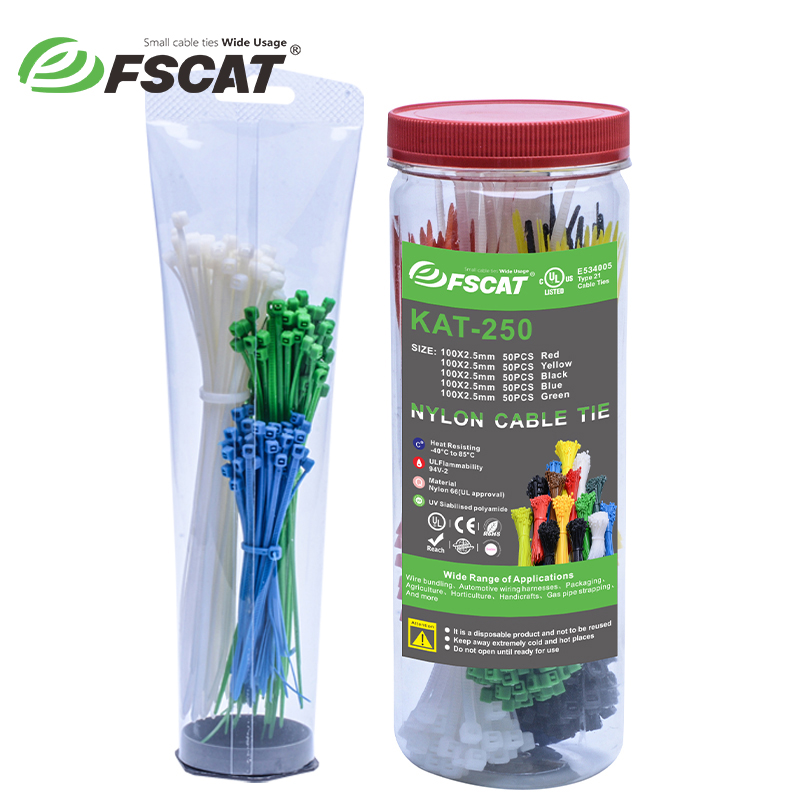
Barrel-packed
-
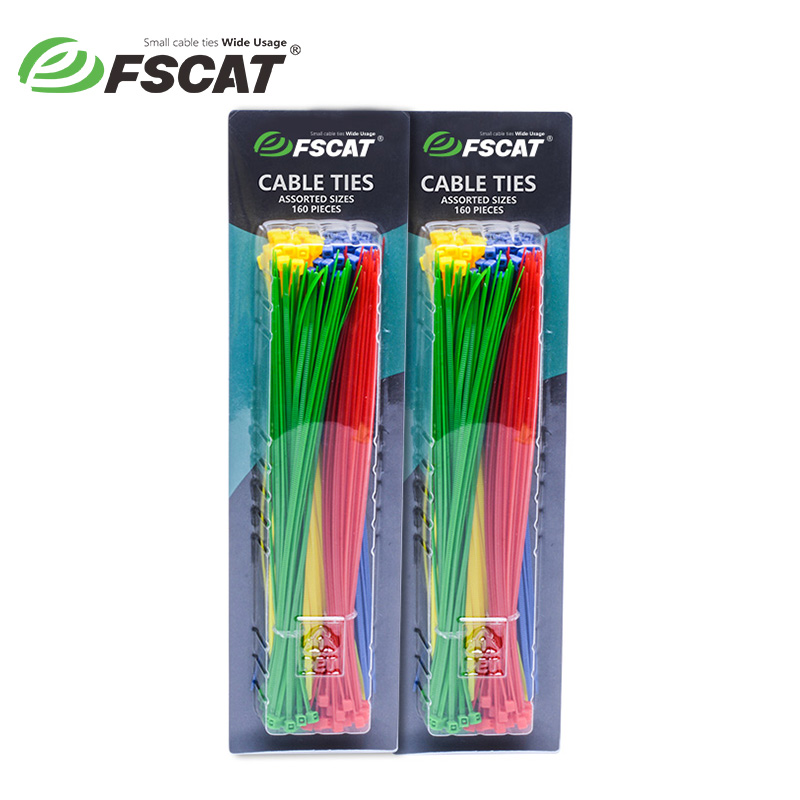
Blister packaging
-
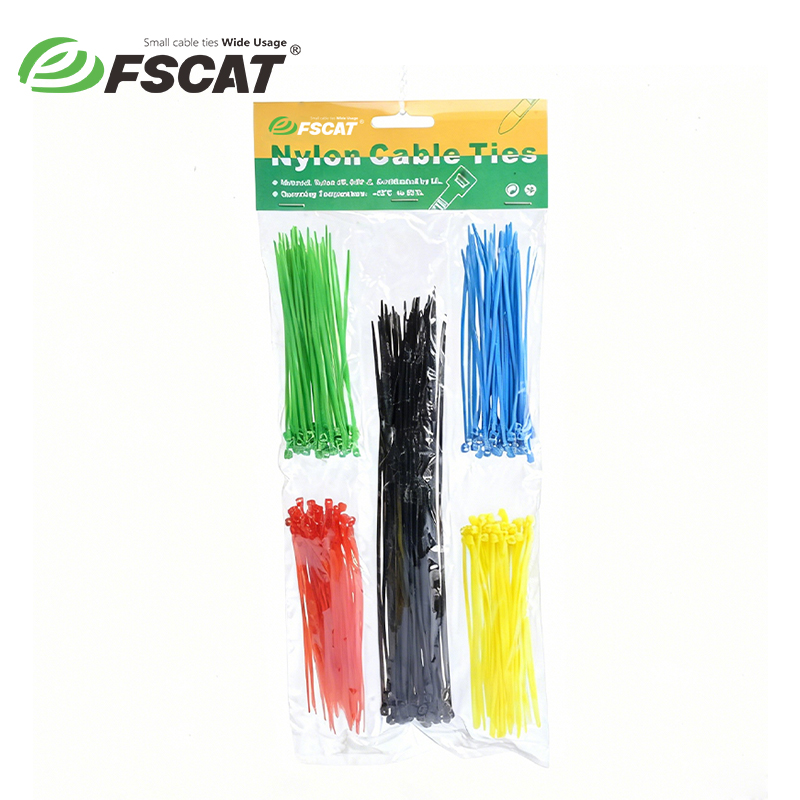
Partitioned belt packaging
-
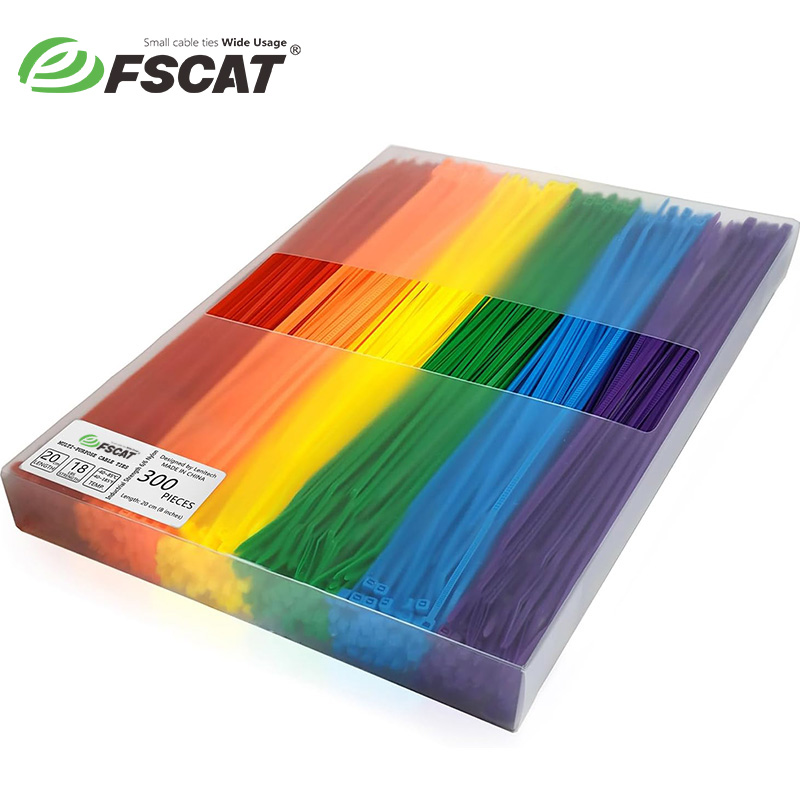
Boxed
-
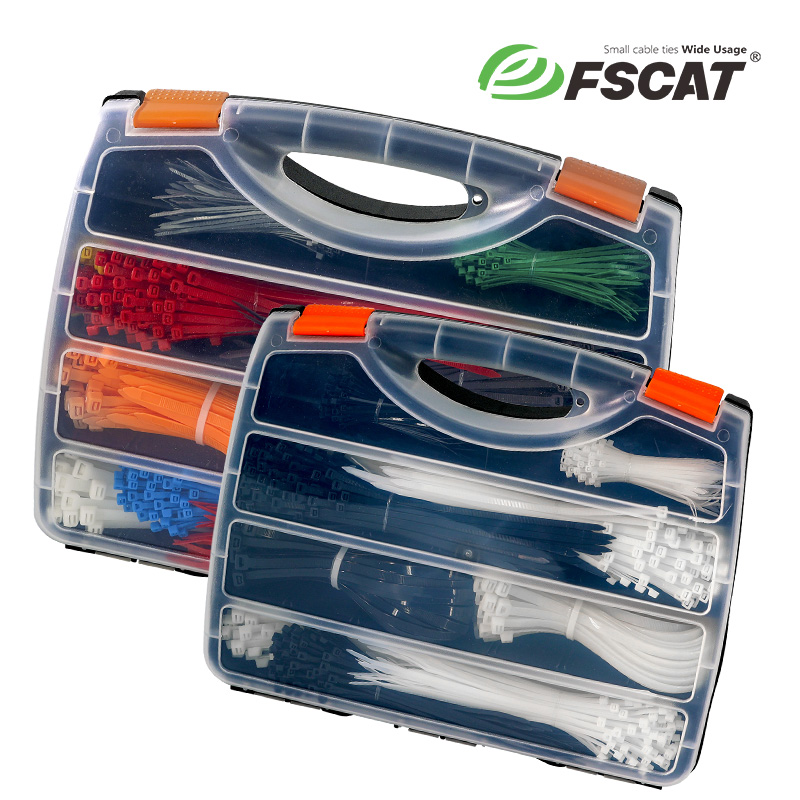
Divider strip packaging divider box
-
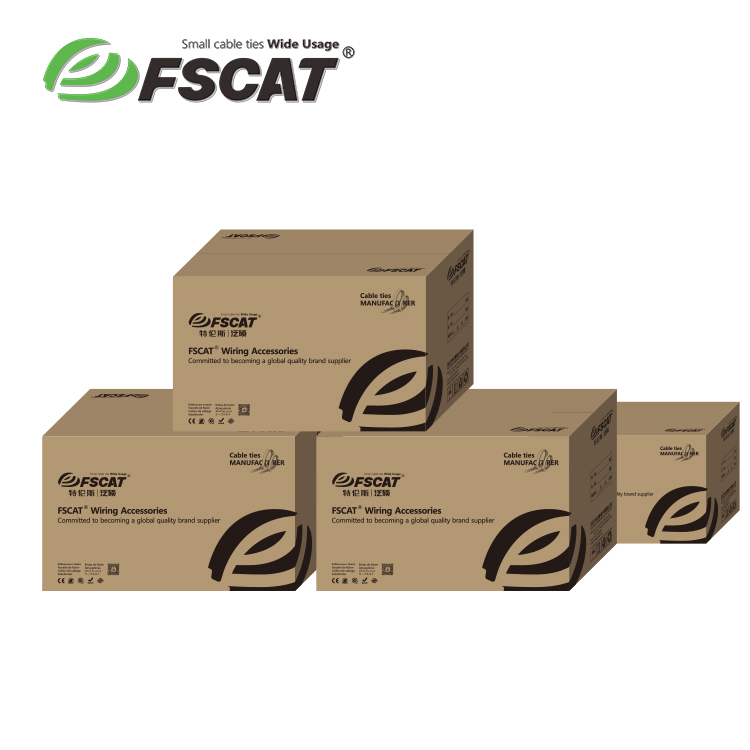
Outer box
ACCESSORIES

The nylon cable tie tool gun secures and cuts ties efficiently, ideal for cable management in electronics, furniture, and construction. It ensures stable binding pressure and neat cuts, saving time and ensuring organization.
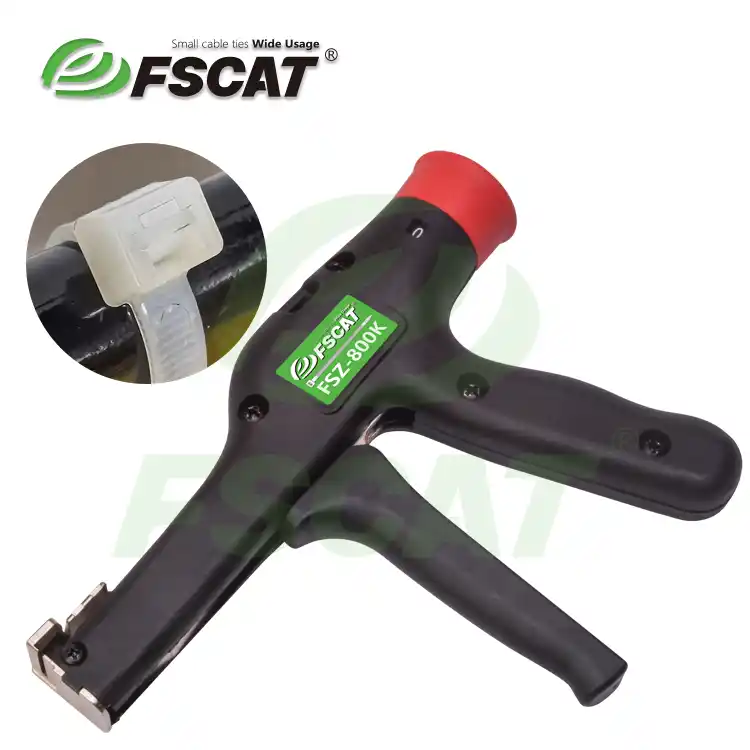
The nylon cable tie tool gun secures and cuts ties efficiently, ideal for cable management in electronics, furniture, and construction. It ensures stable binding pressure and neat cuts, saving time and ensuring organization.
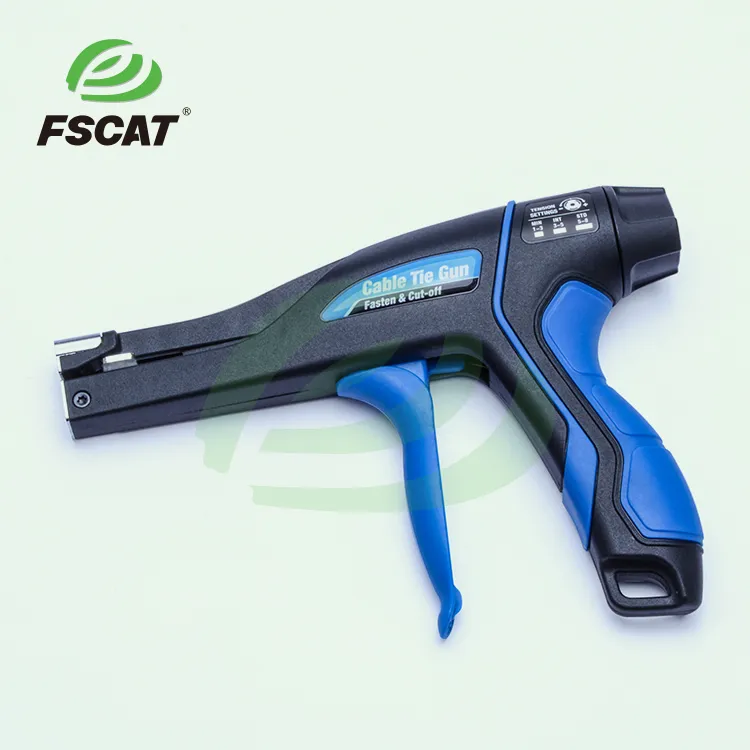
The nylon cable tie tool gun secures and cuts ties efficiently, ideal for cable management in electronics, furniture, and construction. It ensures stable binding pressure and neat cuts, saving time and ensuring organization.
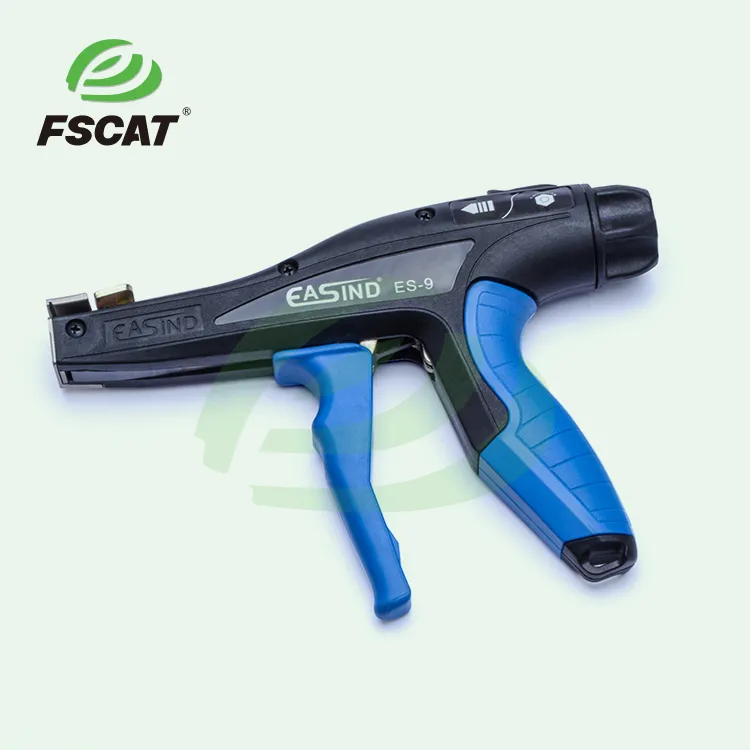
The nylon cable tie tool gun secures and cuts ties efficiently, ideal for cable management in electronics, furniture, and construction. It ensures stable binding pressure and neat cuts, saving time and ensuring organization.
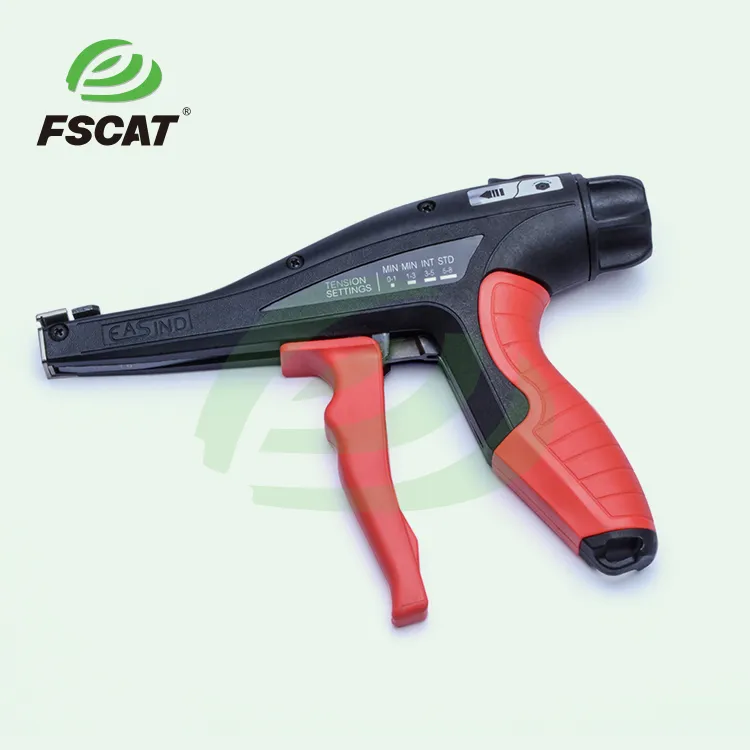
The nylon cable tie tool gun secures and cuts ties efficiently, ideal for cable management in electronics, furniture, and construction. It ensures stable binding pressure and neat cuts, saving time and ensuring organization.